

Templates and themes
Define the brand once, then compose within that system.
Your agent composes within templates. You refine the result in a real desktop app, and later agent passes preserve your adjustments.
Version 1.0.3 · Apple silicon Macs · free to edit and present
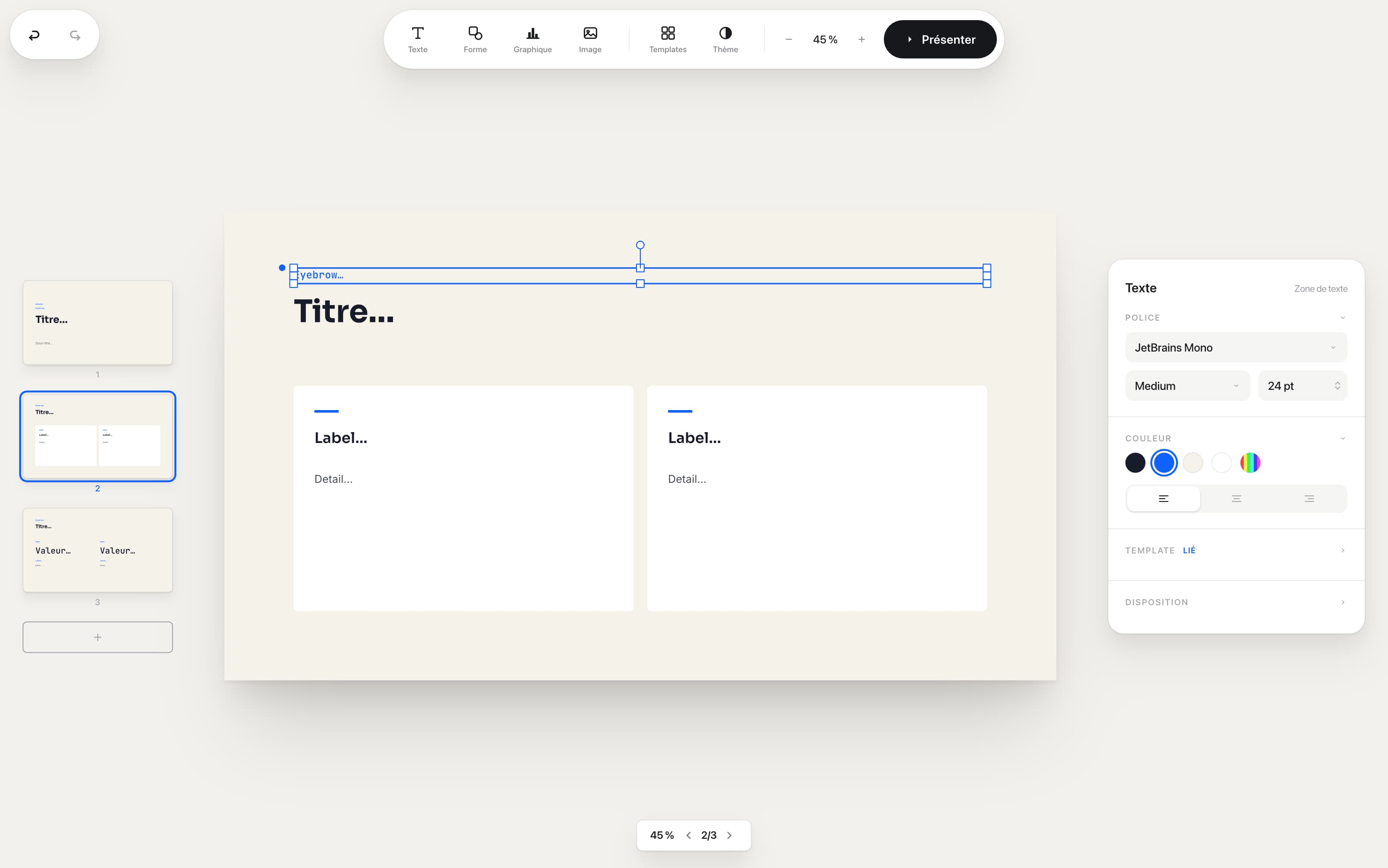
The canvas stays central, with the navigator on the left and inspector on the right. Work manually without an agent, then bring one in only when it adds value.
Templates expose structured slots to the agent. Your manual edits become explicit overrides, so a targeted regeneration does not start from scratch.
The agent fills template slots and builds the narrative.
Adjust text, position, color and charts directly in the app.
The agent updates linked content without deleting human overrides.
One local file connects the agent’s passes to your edits.
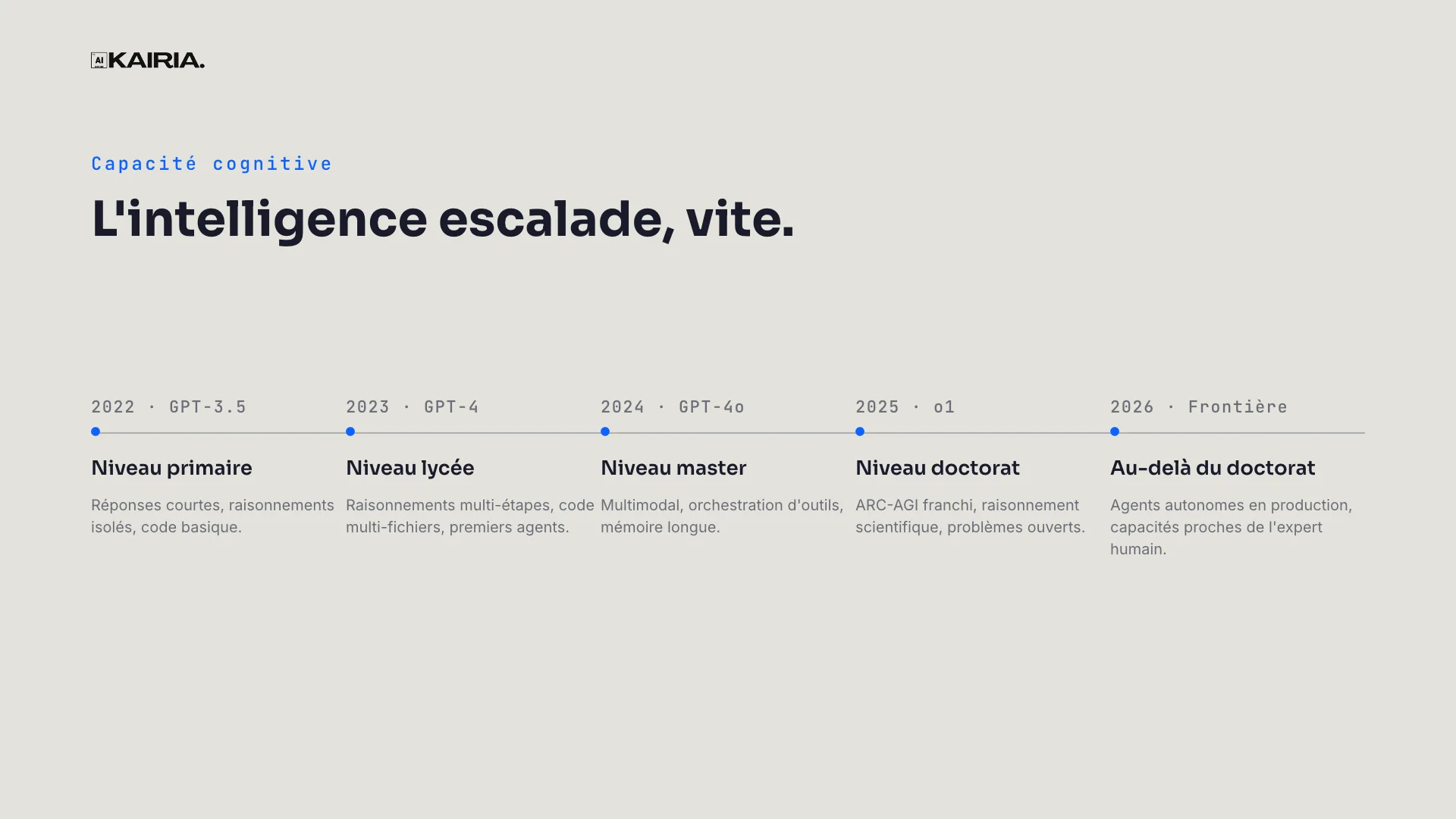
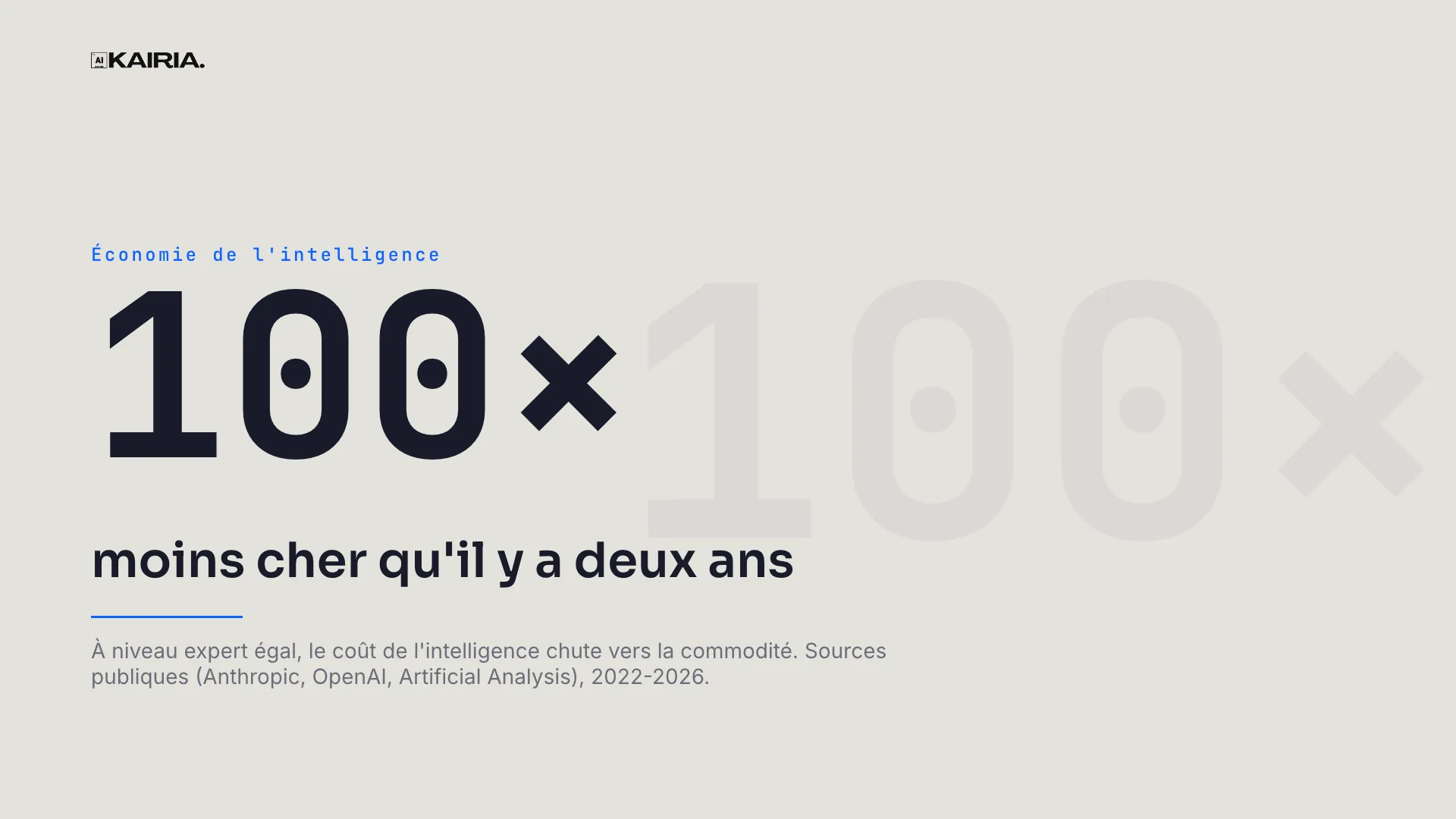
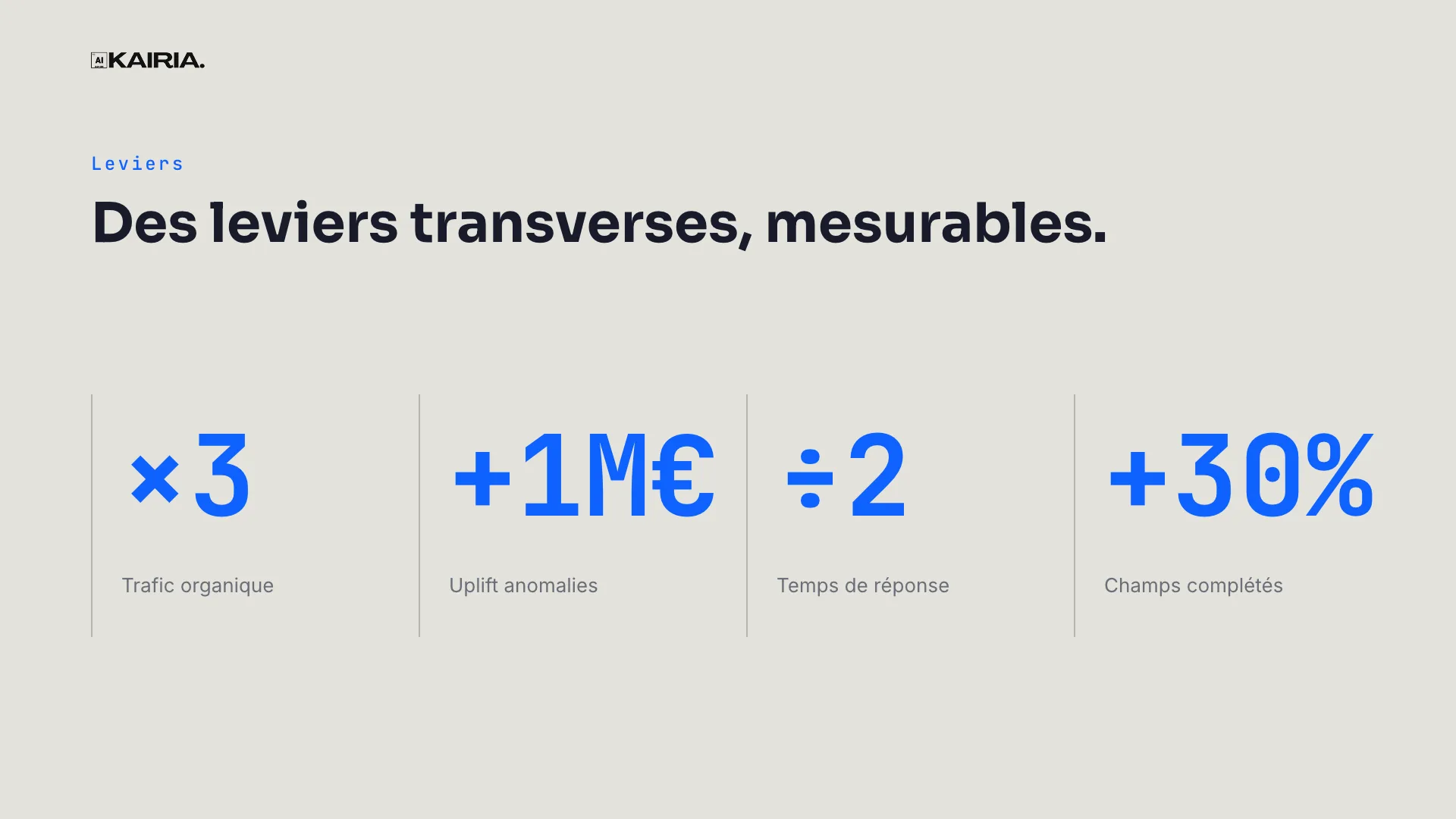
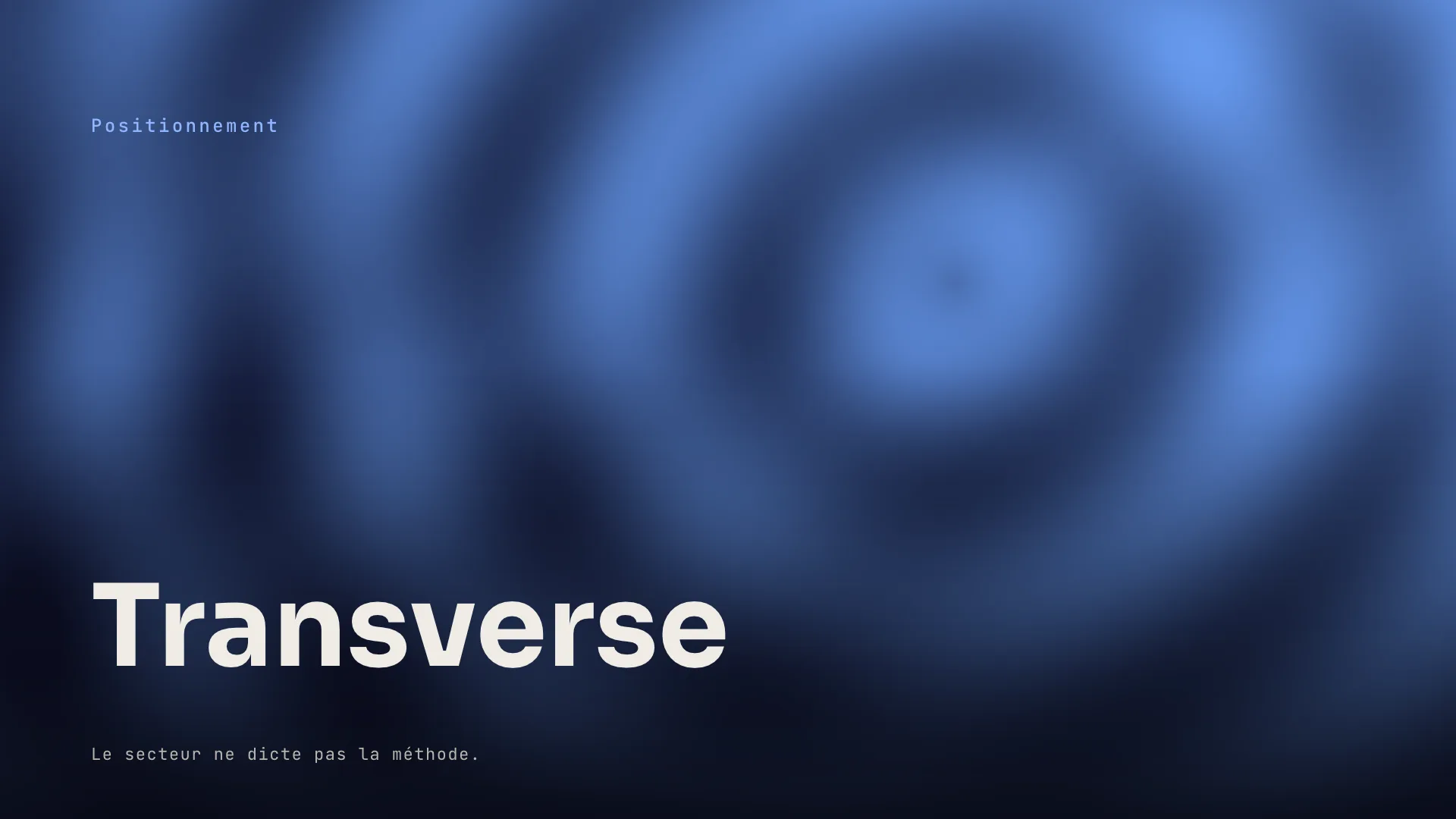
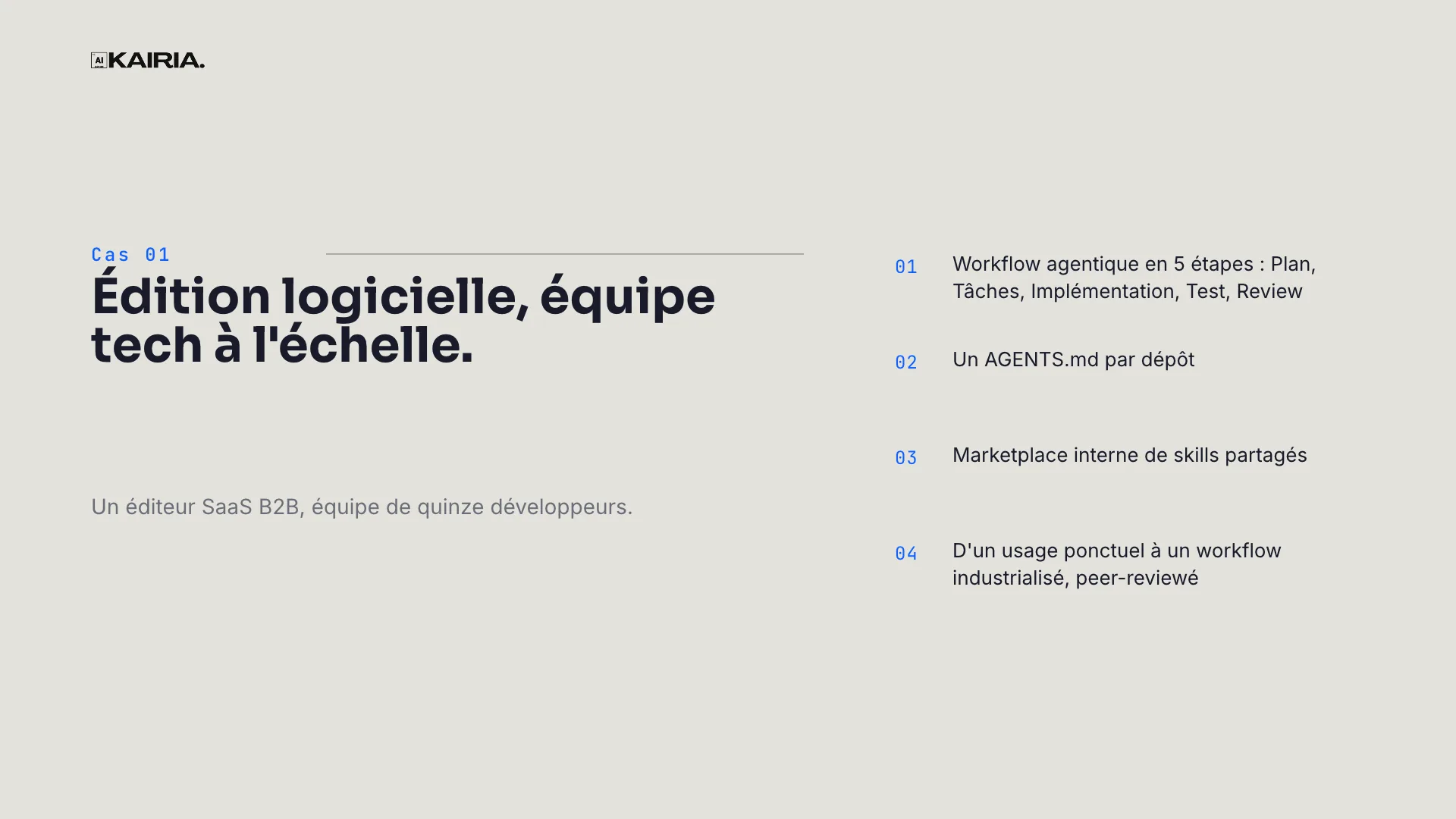
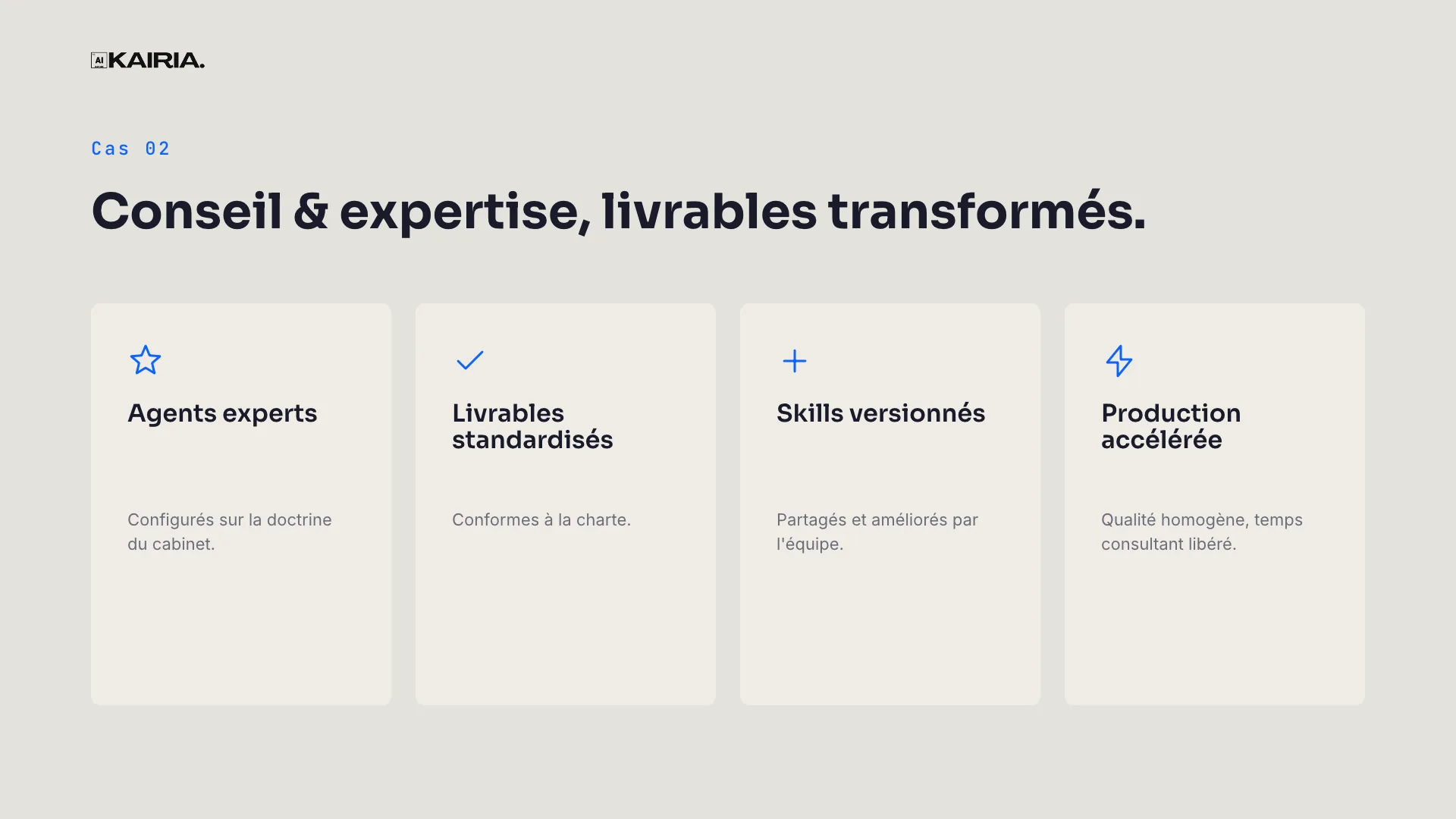
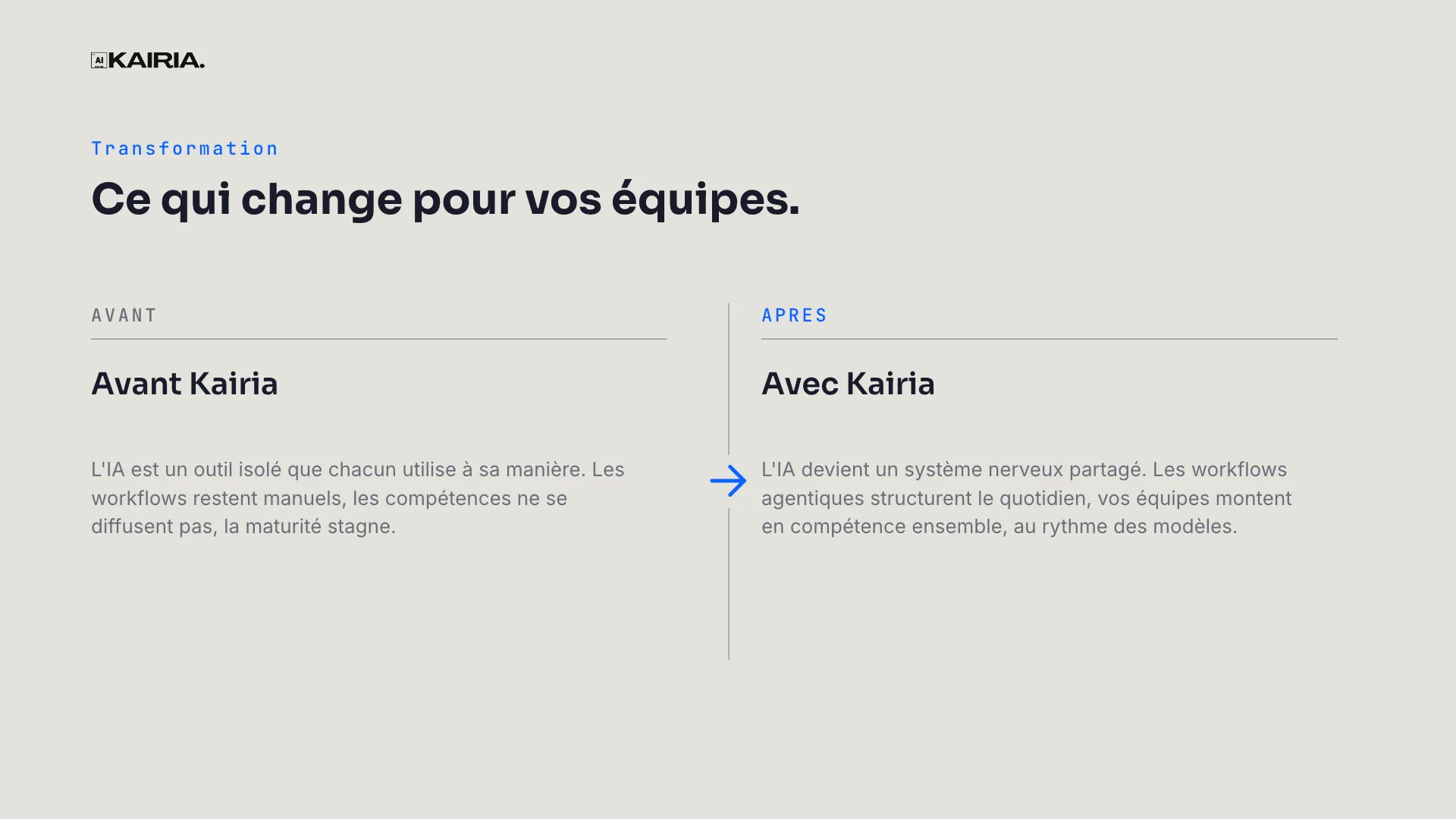
Kairia Vision contains 22 slides produced by the same renderer as the app. Here is every one of them, from cover to close.
A .deck is a contract the agent writes directly: addressable slots in compact JSON, and an engine that guarantees the render. No intermediary AI interpreting instructions, no improvised layout.
14×less data to describe the same deck. Measured, not estimated.
A .deck is a structured local file. Version it, hand it to an agent, open it in the editor and deliver a PDF, PNG images or a PowerPoint file.
Define the brand once, then compose within that system.
Present from the app, including on a secondary display.
PDF and PNG for rendering; PowerPoint for continued client-side editing.
Decktype does not receive the contents of your local files. If you ask Claude, OpenAI or another provider to generate content, data sent to that provider follows its own terms and settings.
Read our security approachA macOS application signed and notarised by Apple, with no account or subscription to get started.
Decktype installs what Claude Code or Codex needs by itself, without a terminal.
The agent composes within your templates, you refine in the app, and your adjustments survive later passes.
Version 1.0.3 · Apple silicon Macs · free to edit and present